
Healthcare
Liberating Tiny Lives from Wires to Wellness.
Liberating Tiny Lives from Wires to Wellness.
Liberating Tiny Lives from Wires to Wellness.
This will improve feasibility, safety, and accuracy of a new wireless monitoring technology in neonates treated in the NICU.
Professional online therapy
designed to help you rediscover
balance and happiness - on your terms.
Clarity
Connection
Comform
Clarity
Connection
Comform
Clarity
Connection
Comform
NICUs still rely on decades‑old,
wire‑based monitors
tangled ECG leads, oximetry probes, thermistors, cuffs,
catheters and bulky bedside modules
tangled ECG leads, oximetry probes,
thermistors, cuffs, catheters and bulky
bedside modules
tangled ECG leads, oximetry probes, thermistors,
cuffs, catheters and bulky bedside modules
that hinder kangaroo care,
risk skin injury
and infection,
and complicate fragile infant care.
Problems and Hindrances
Major Hindrances in Traditional methods
How I Can
Help You Thrive
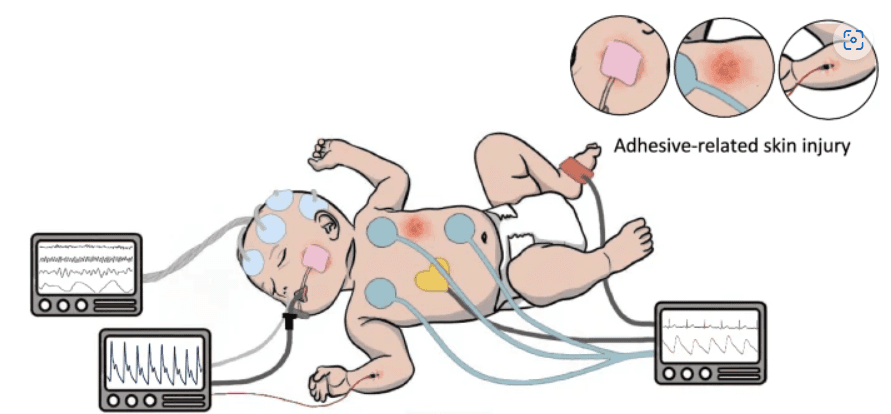

Barrier to Kangaroo Care & Bonding
Cables and adhesive tapes encase neonates like a “rat’s nest,” making skin‑to‑skin contact difficult despite its proven benefits in reducing pulmonary complications, infections, stress, and length of stay.
Barrier to Kangaroo Care & Bonding
Cables and adhesive tapes encase neonates like a “rat’s nest,” making skin‑to‑skin contact difficult despite its proven benefits in reducing pulmonary complications, infections, stress, and length of stay.
Barrier to Kangaroo Care & Bonding
Cables and adhesive tapes encase neonates like a “rat’s nest,” making skin‑to‑skin contact difficult despite its proven benefits in reducing pulmonary complications, infections, stress, and length of stay.
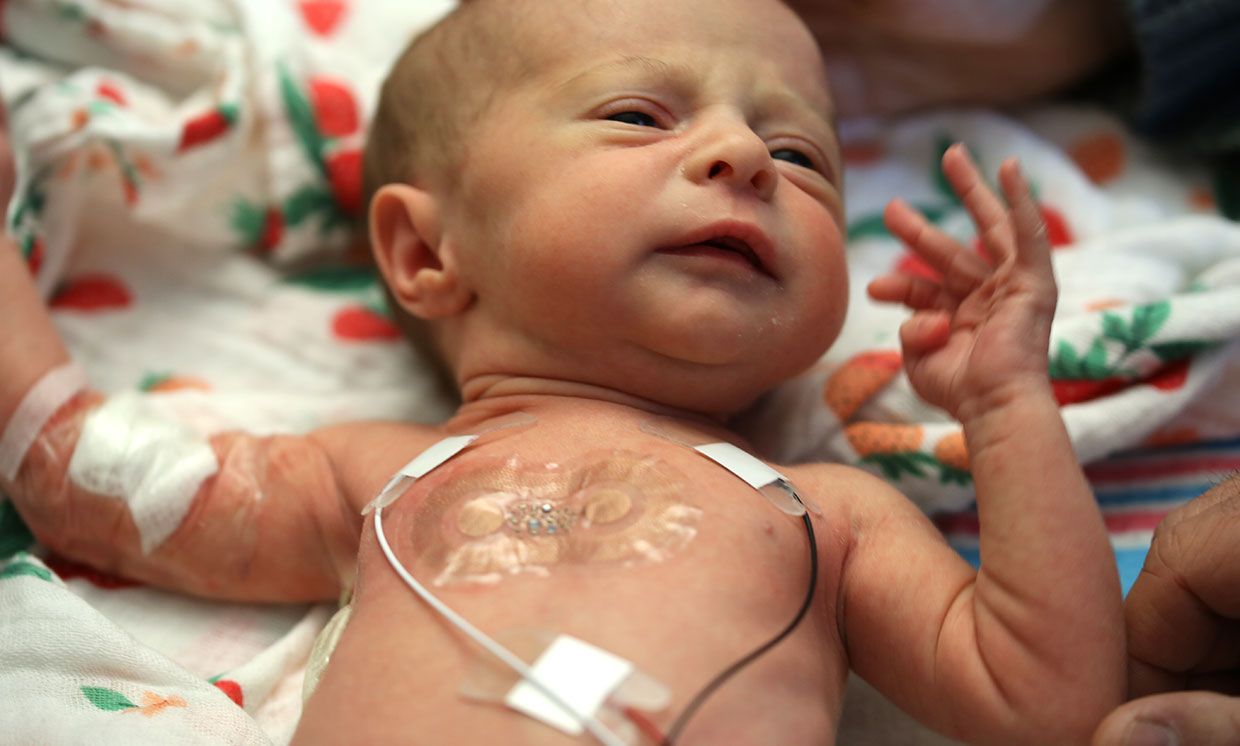
Skin Injury & Infection Risk
Premature skin is 20–40% thinner than adults’. Rigid sensors and aggressive adhesives cause dermatitis, blisters, erosions, and lifelong scarring. Wires that dangle or touch contaminated surfaces elevate nosocomial infection risk.

Skin Injury & Infection Risk
Premature skin is 20–40% thinner than adults’. Rigid sensors and aggressive adhesives cause dermatitis, blisters, erosions, and lifelong scarring. Wires that dangle or touch contaminated surfaces elevate nosocomial infection risk.
Skin Injury & Infection Risk
Premature skin is 20–40% thinner than adults’. Rigid sensors and aggressive adhesives cause dermatitis, blisters, erosions, and lifelong scarring. Wires that dangle or touch contaminated surfaces elevate nosocomial infection risk.
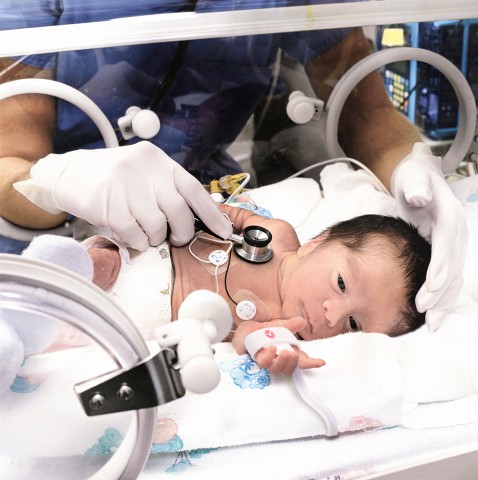
Restricted Mobility & Handling Complexity
Tangled leads restrict natural movements, impede routine tasks (feeding, diaper changes, imaging), and force frequent sensor removal/reapplication—up to 7–17 painful procedures daily—disturbing sleep and increasing neonatal distress.
Restricted Mobility & Handling Complexity
Tangled leads restrict natural movements, impede routine tasks (feeding, diaper changes, imaging), and force frequent sensor removal/reapplication—up to 7–17 painful procedures daily—disturbing sleep and increasing neonatal distress.
Restricted Mobility & Handling Complexity
Tangled leads restrict natural movements, impede routine tasks (feeding, diaper changes, imaging), and force frequent sensor removal/reapplication—up to 7–17 painful procedures daily—disturbing sleep and increasing neonatal distress.

Gaps in Physiological Data
Static cuffs or infrequent arterial lines miss dynamic blood‑pressure fluctuations; single‑site temperature readings overlook peripheral versus core gradients; wired systems often can’t monitor continuously during parental holding or imaging (MRI, X‑ray). Lack of actionable steps that are very important in rural cases.
Gaps in Physiological Data
Static cuffs or infrequent arterial lines miss dynamic blood‑pressure fluctuations; single‑site temperature readings overlook peripheral versus core gradients; wired systems often can’t monitor continuously during parental holding or imaging (MRI, X‑ray). Lack of actionable steps that are very important in rural cases.
Gaps in Physiological Data
Static cuffs or infrequent arterial lines miss dynamic blood‑pressure fluctuations; single‑site temperature readings overlook peripheral versus core gradients; wired systems often can’t monitor continuously during parental holding or imaging (MRI, X‑ray). Lack of actionable steps that are very important in rural cases.
Limited Accessibility & Scalability
High costs, bulky hardware, and lack of low‑cost flexible alternatives contribute to unacceptably high neonatal mortality (>40%) in resource‑limited settings. Meanwhile, rapid advances in wearable, epidermal electronics across other fields remain under‑adopted in NICUs.
Limited Accessibility & Scalability
High costs, bulky hardware, and lack of low‑cost flexible alternatives contribute to unacceptably high neonatal mortality (>40%) in resource‑limited settings. Meanwhile, rapid advances in wearable, epidermal electronics across other fields remain under‑adopted in NICUs.
Limited Accessibility & Scalability
High costs, bulky hardware, and lack of low‑cost flexible alternatives contribute to unacceptably high neonatal mortality (>40%) in resource‑limited settings. Meanwhile, rapid advances in wearable, epidermal electronics across other fields remain under‑adopted in NICUs.

Meet Your Therapist
Meet Your Therapist
India's Landscape
Challenges in Urban and Rural India
Challenges in Urban and Rural India
A Trusted Partner
for Your Emotional Wellbeing
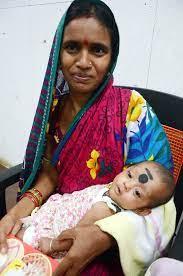
India bears a significant burden of preterm births and neonatal intensive care unit (NICU) admissions, particularly in rural and underserved regions. Approximately 13 percent of births in South Asia are preterm, with India contributing an estimated 3.4 million preterm infants annually
India bears a significant burden of preterm births and neonatal intensive care unit (NICU) admissions, particularly in rural and underserved regions. Approximately 13 percent of births in South Asia are preterm, with India contributing an estimated 3.4 million preterm infants annually
Neonatal Jaundice and sepsis
hospital-acquired infections
Overcrowding
invasive procedures
No 24x7 monitoring
Preterm Vulnerability
Low skilled Doctors
CBT Practitioner
MSc Clinical Psychology
SFBT Specialist
GAOP Member
ERT Certified
What are the doctors saying?
What are the doctors saying?
What are the doctors saying?
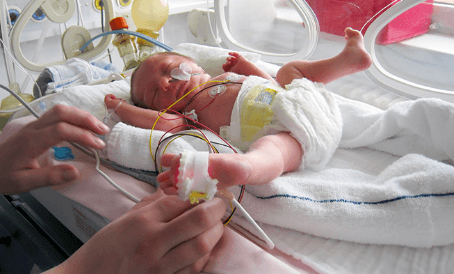
"Premature babies’ skin is not fully developed, so it’s incredibly fragile"

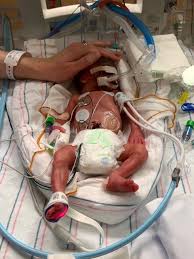
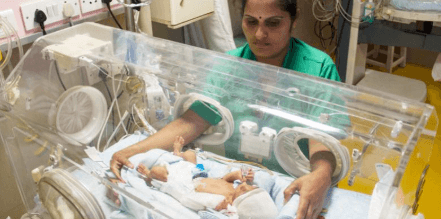
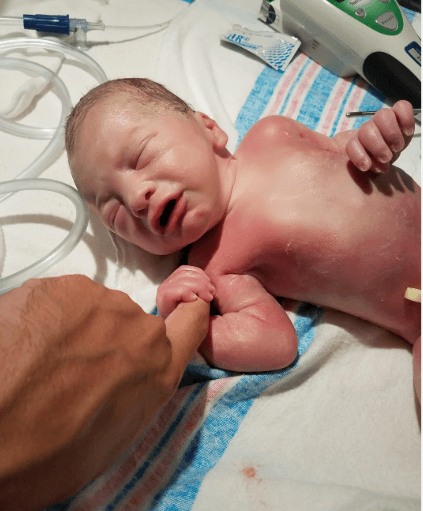
Ground reality and touchpoints
"Premature babies’ skin is not fully developed, so it’s incredibly fragile"
Ground reality and touchpoints


Next‑Gen Neonatal Monitoring Comfort, Clarity, Connection
Next‑Gen Neonatal Monitoring Comfort, Clarity, Connection
Next‑Gen Neonatal Monitoring Comfort, Clarity, Connection

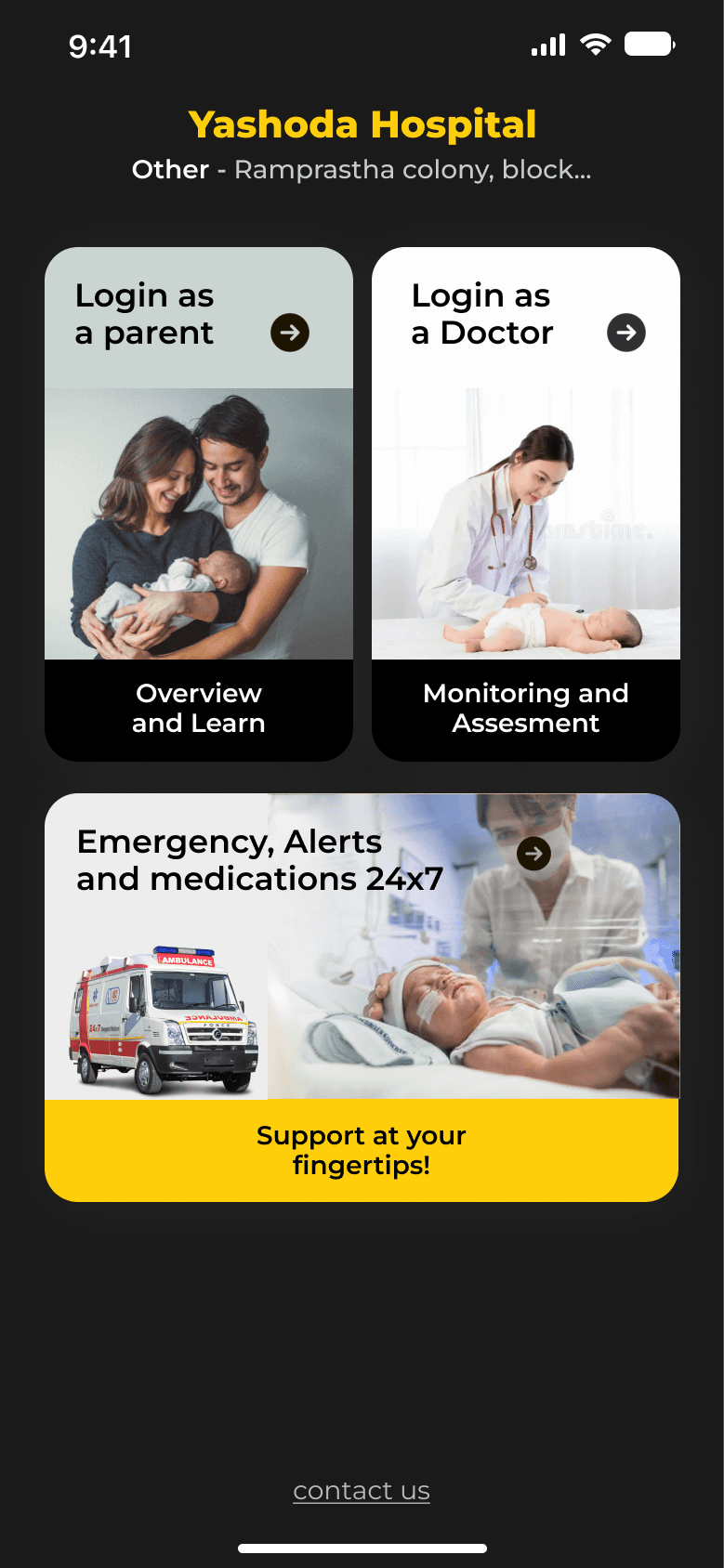
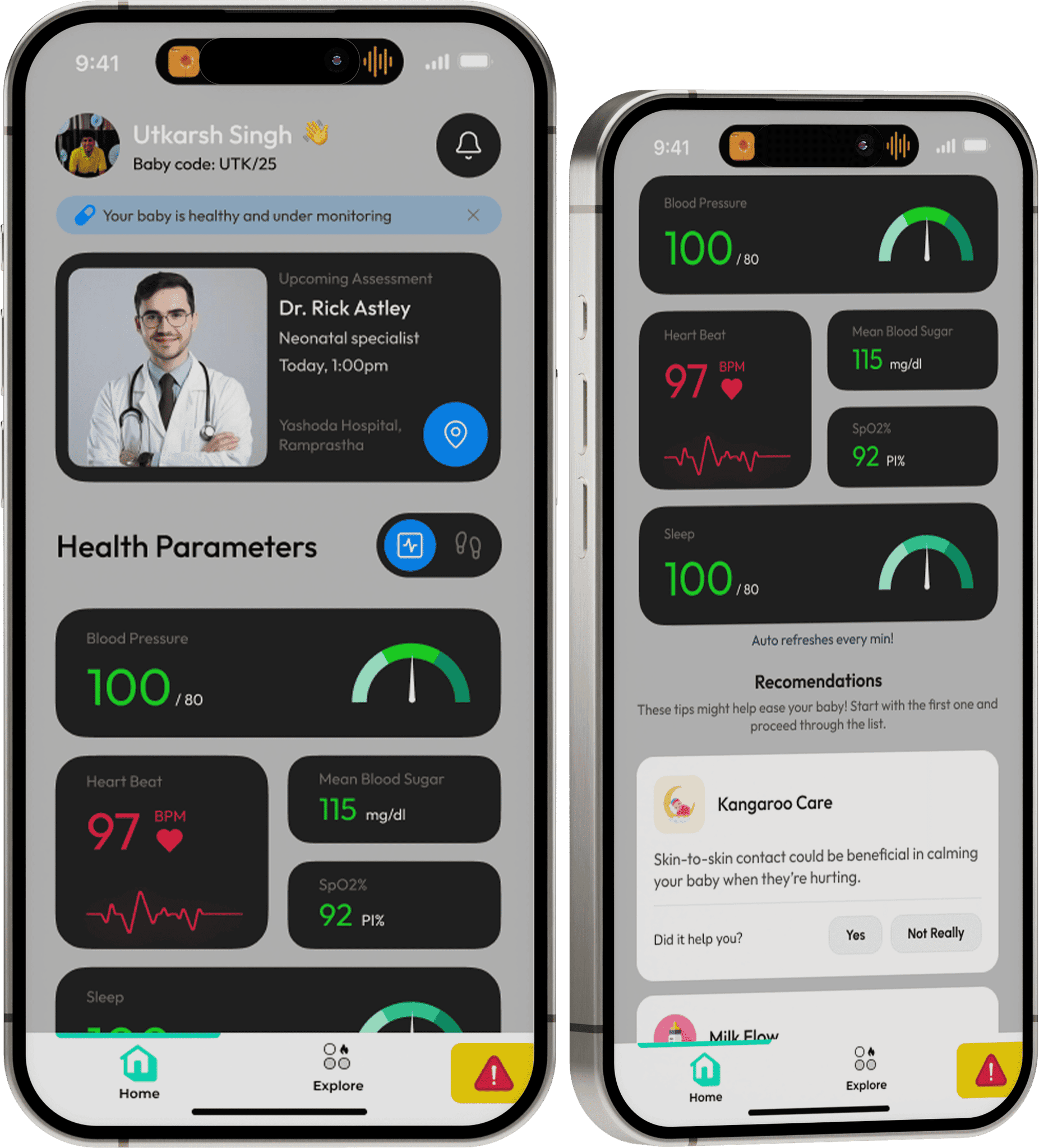
Neotag: dual‑site wireless skin‑like patches (chest & ankle) with ECG, PPG, motion, temperature sensors and more. BLE micro‑patches stream to an AI dashboard for doctor and parent app, issuing real‑time alerts for apnea, arrhythmia, sepsis etc.
Neotag: dual‑site wireless skin‑like patches (chest & ankle) with ECG, PPG, motion, temperature sensors and more. BLE micro‑patches stream to an AI dashboard for doctor and parent app, issuing real‑time alerts for apnea, arrhythmia, sepsis etc.








Why us? Why Neotag over traditional methods?
Why us? Why Neotag over traditional methods?
Our vision is to create a gentle, humane monitoring solution that protects fragile newborns while sustaining the vital bond between parent and child. We aim to replace wires with comfort, and complexity with clarity—empowering care in every setting.
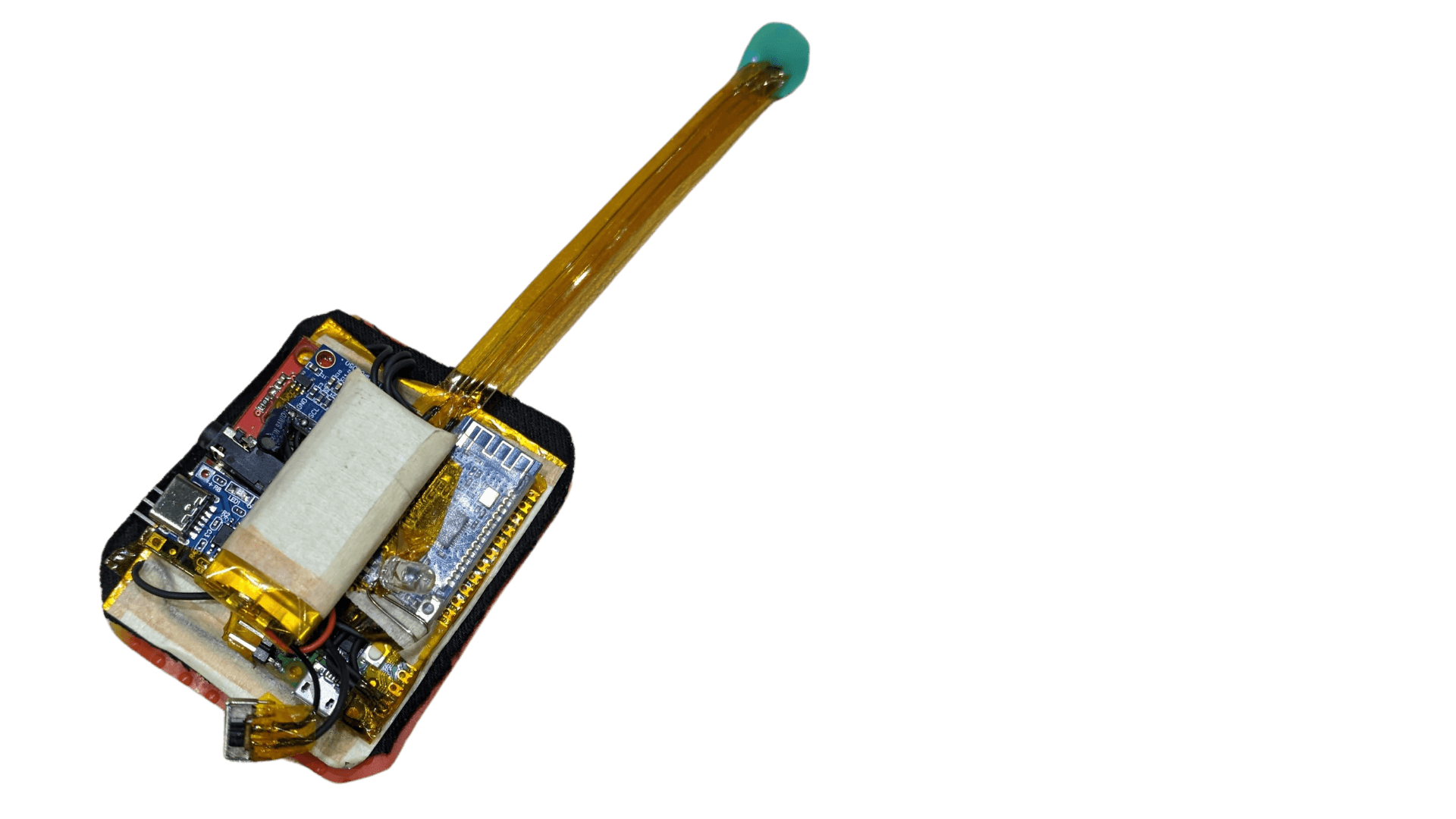
All‑in‑One Miniature Patch
Combines cardiac (ECG/PPG), respiratory, temperature, motion and muscle‑activity sensing into one ultra‑thin module—replaces half a dozen separate sensors.



Gentle, Non‑Irritant Contact
Utilizes natural micro‑suction from micro‑perforations for secure, breathable skin adherence. For ECG/EMG, only a saline-hydrated interface is used—no harsh adhesives or gels—preserving skin integrity.
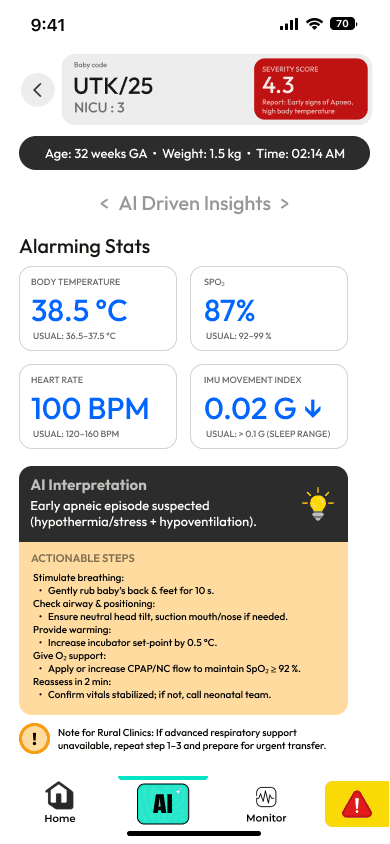
Edge‑ML Early Warnings
On‑server and on‑device machine‑learning models fuse multi‑modal data to detect apnea, arrhythmias, sepsis risk and thermoregulatory instability before clinical signs emerge.
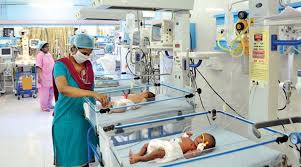
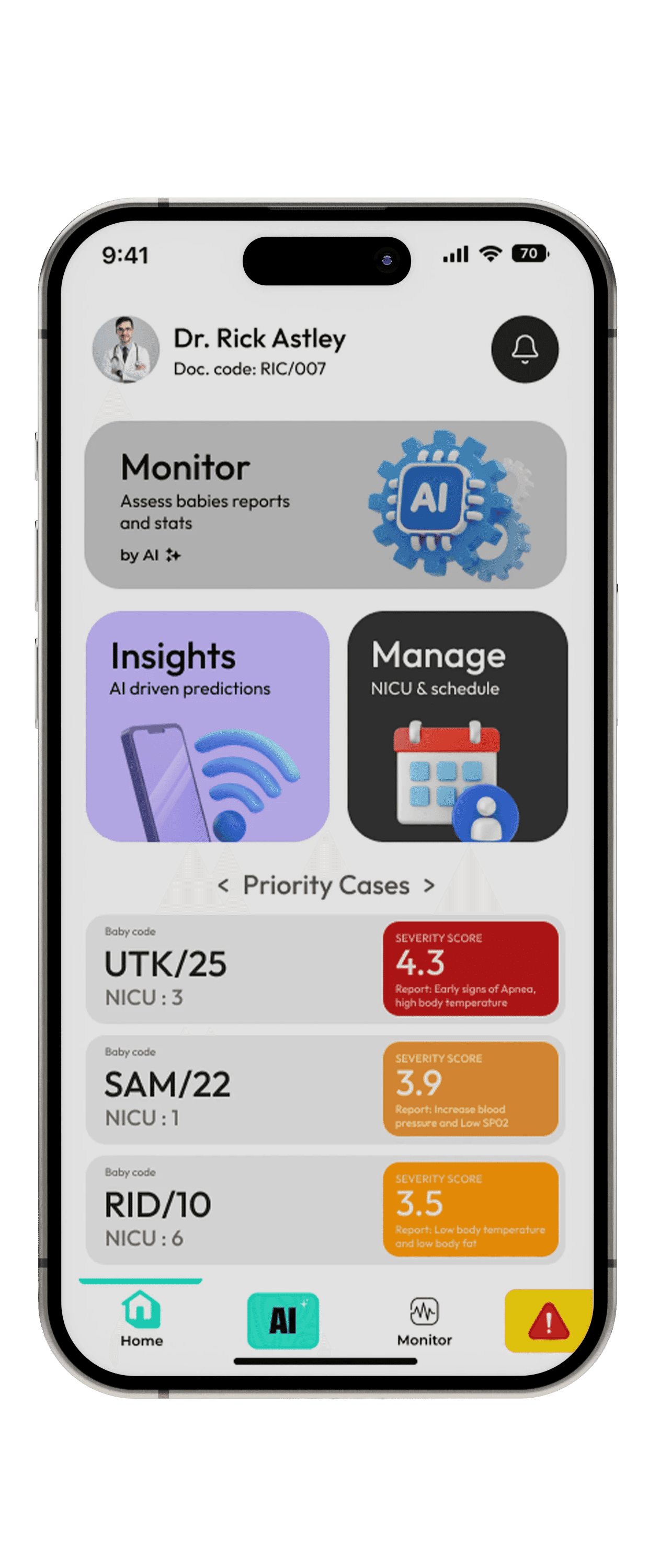
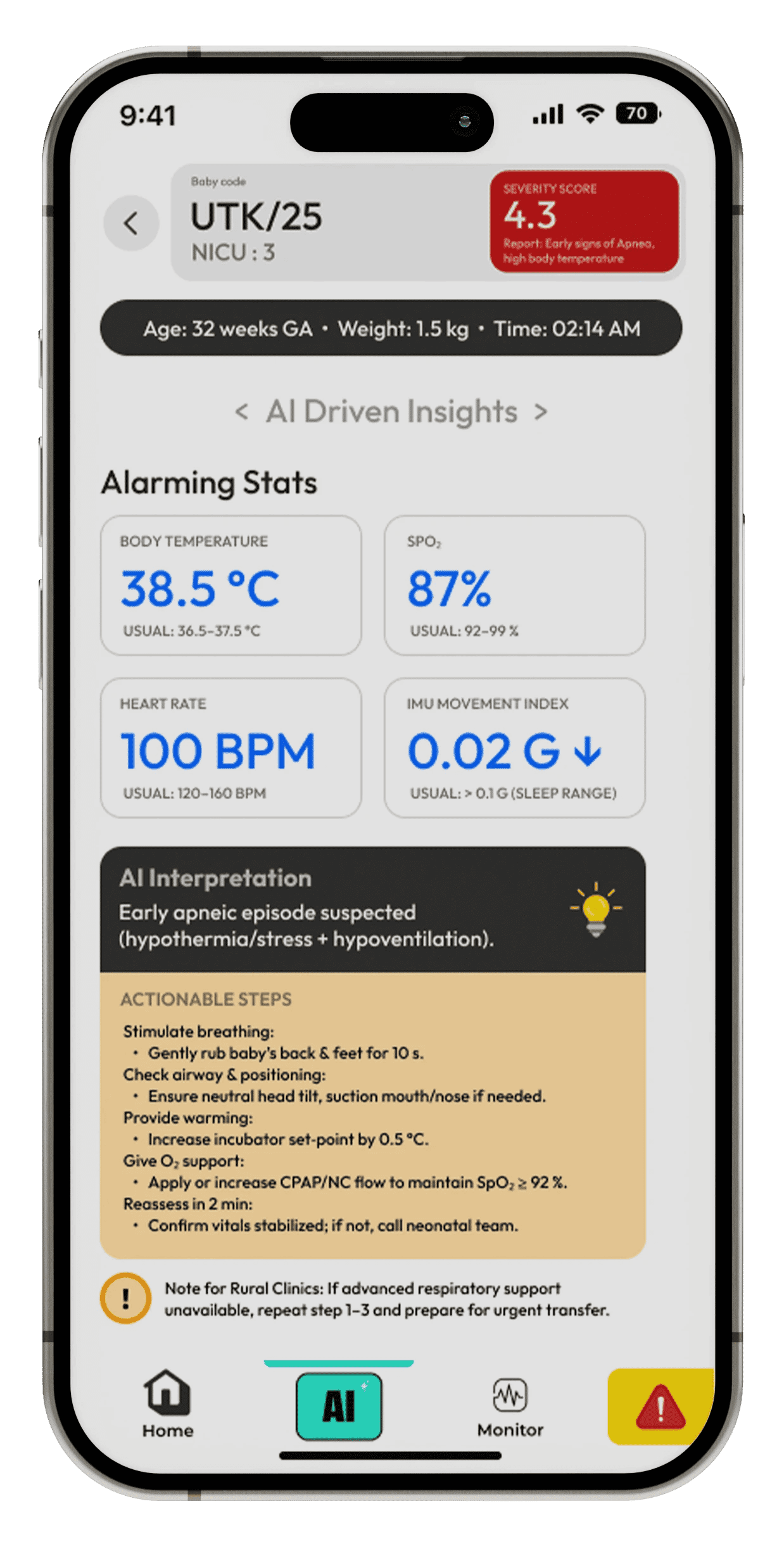
Our AI-driven system interprets vital signs to detect neonatal issues like sepsis or apnea and delivers clear, step-by-step care instructions—such as "initiate warming" or "administer antibiotics"—through a user-friendly interface. This empowers nurses in rural and underserved areas to make timely, informed decisions, enhancing neonatal care where specialist access is limited.
Empowering Nurses with Guided Clinical Actions
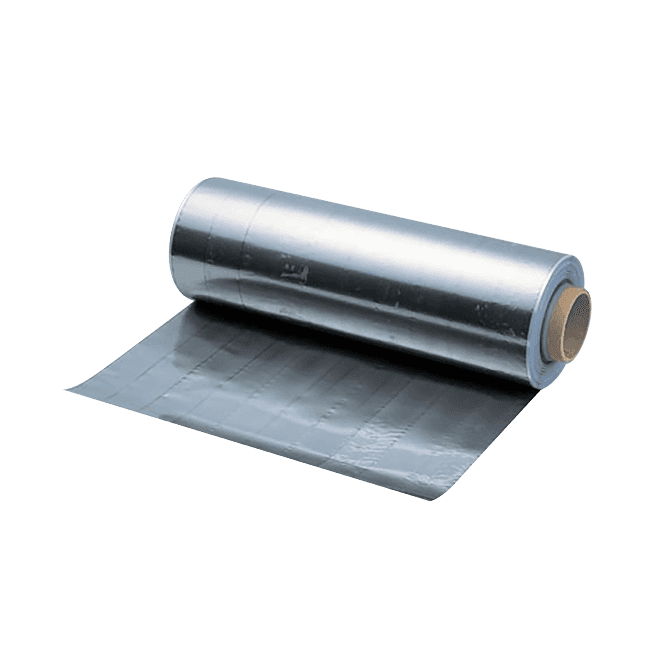
Built‑In EMF Shielding
An integrated aluminum ground plane isolates the sensors and baby’s body from external interference, ensuring high-fidelity signal capture even in busy NICU environments.
Dry‑Electrode Innovation
Custom copper-tape or conductive-fabric dry electrodes require no adhesive gels. They’re soft, washable, and reusable—ideal for ultra-sensitive neonatal skin.
Other major USPs and
Neotag touchpoints
Other major USPs and
Neotag touchpoints
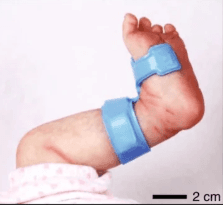
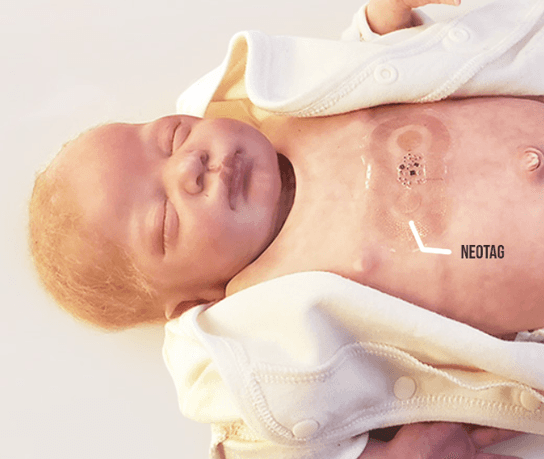
Dual‑Site Vital Coverage: Chest and ankle modules work in tandem to capture both central and peripheral data—enabling precise estimation of perfusion, pulse transit time, and thermal gradients.



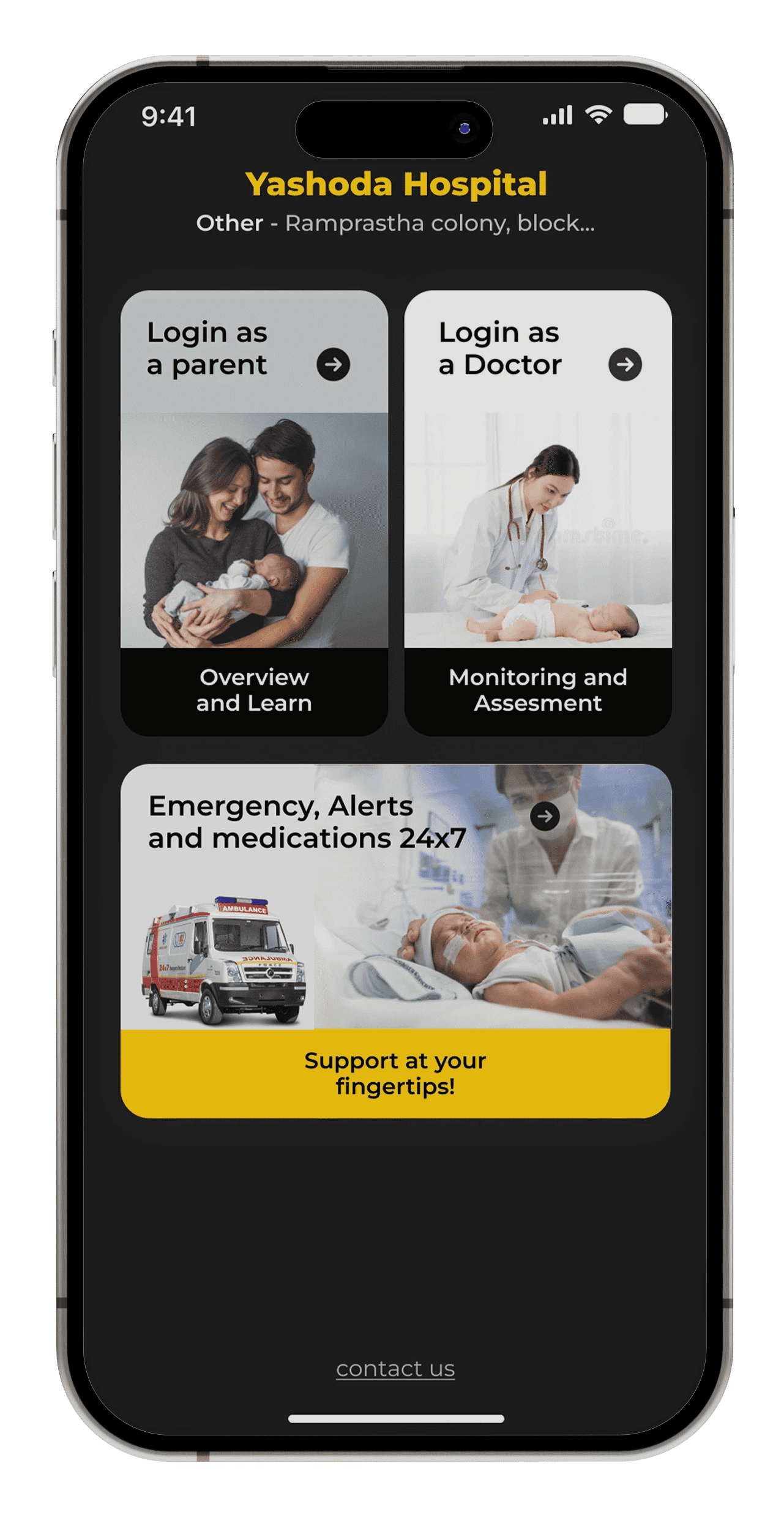
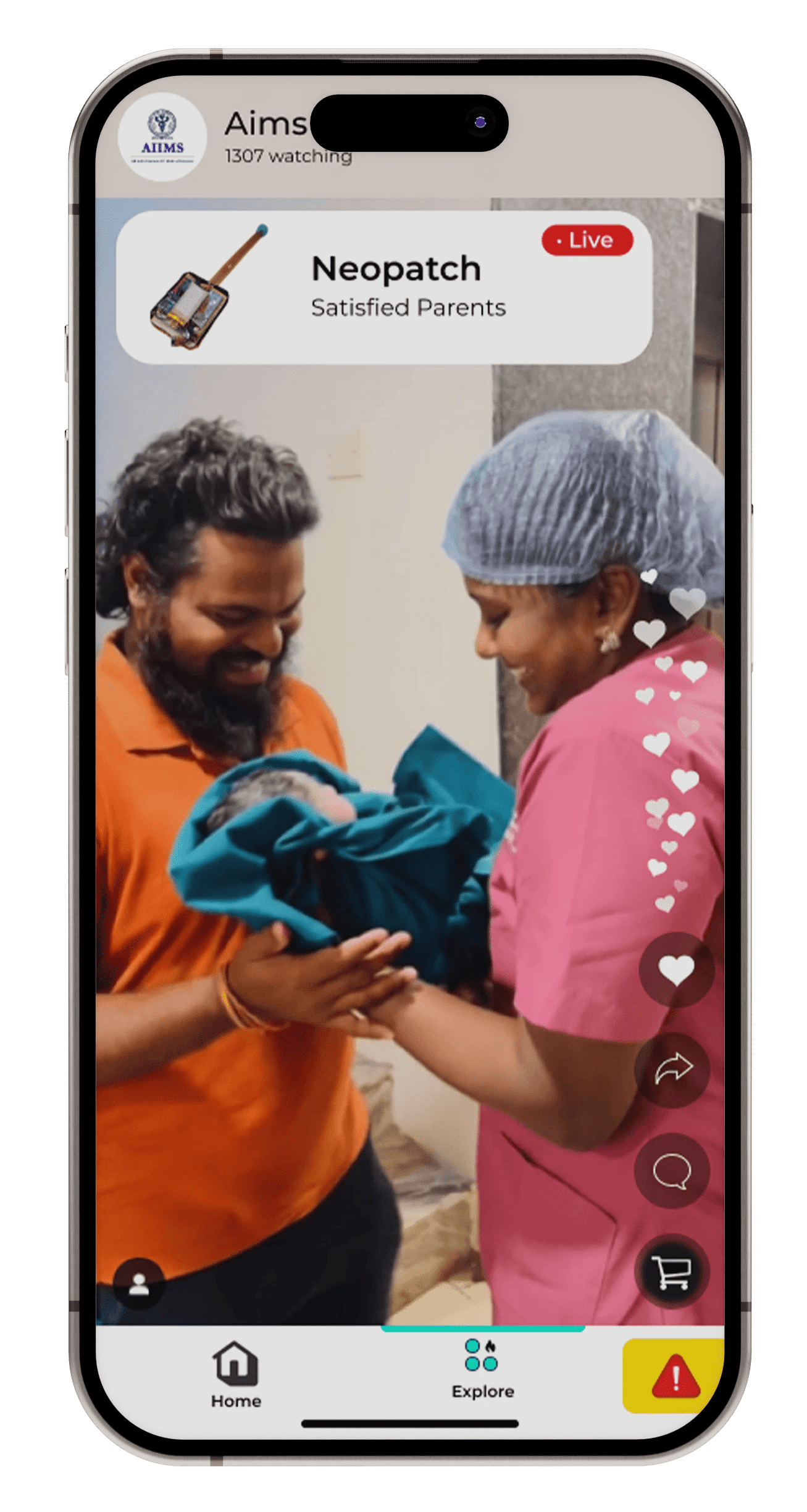
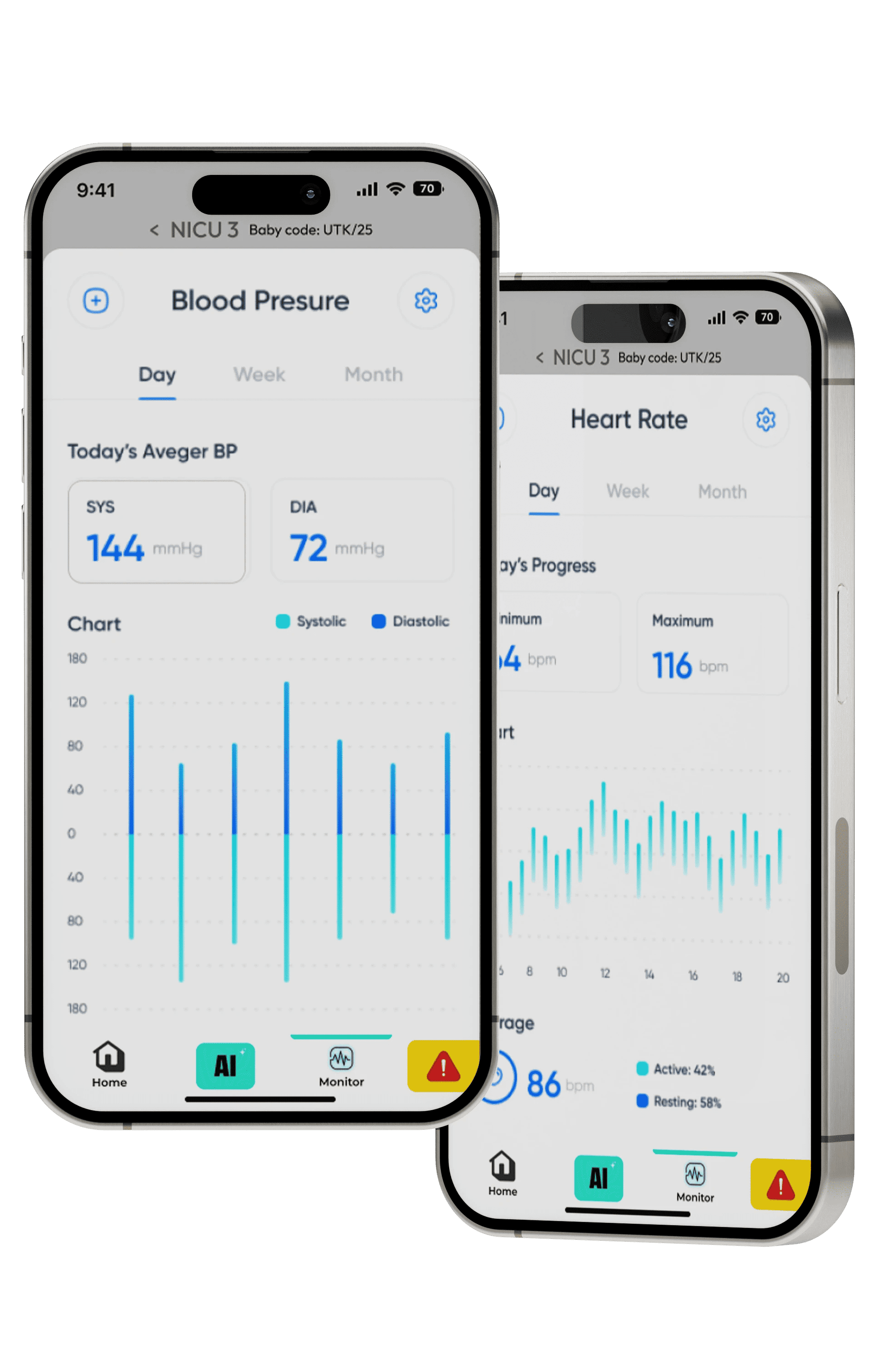
Clinician & Parent Apps A dual-app ecosystem: clinicians get real-time vitals, alerts, and trends; parents receive simplified health updates, guidance, and care reminders—all seamlessly synced.

Scalable, Secure Cloud Backbone HIPAA-grade encryption with REST/MQTT APIs and time-series databases ensures data flows securely from patch to caregiver, enabling both bedside and remote monitoring.

Why us? Why Neotag over traditional methods?
Our vision is to create a gentle, humane monitoring solution that protects fragile newborns while sustaining the vital bond between parent and child. We aim to replace wires with comfort, and complexity with clarity—empowering care in every setting.
All‑in‑One Miniature Patch
Combines cardiac (ECG/PPG), respiratory, temperature, motion and muscle‑activity sensing into one ultra‑thin module—replaces half a dozen separate sensors.
Gentle, Non‑Irritant Contact
Utilizes natural micro‑suction from micro‑perforations for secure, breathable skin adherence. For ECG/EMG, only a saline-hydrated interface is used—no harsh adhesives or gels—preserving skin integrity.
Edge‑ML Early Warnings
On‑server and on‑device machine‑learning models fuse multi‑modal data to detect apnea, arrhythmias, sepsis risk and thermoregulatory instability before clinical signs emerge.
Our AI-driven system interprets vital signs to detect neonatal issues like sepsis or apnea and delivers clear, step-by-step care instructions—such as "initiate warming" or "administer antibiotics"—through a user-friendly interface. This empowers nurses in rural and underserved areas to make timely, informed decisions, enhancing neonatal care where specialist access is limited.
Empowering Nurses with Guided Clinical Actions
Built‑In EMF Shielding
An integrated aluminum ground plane isolates the sensors and baby’s body from external interference, ensuring high-fidelity signal capture even in busy NICU environments.
Dry‑Electrode Innovation
Custom copper-tape or conductive-fabric dry electrodes require no adhesive gels. They’re soft, washable, and reusable—ideal for ultra-sensitive neonatal skin.
Other major USPs and
Neotag touchpoints
Dual‑Site Vital Coverage: Chest and ankle modules work in tandem to capture both central and peripheral data—enabling precise estimation of perfusion, pulse transit time, and thermal gradients.
Clinician & Parent Apps A dual-app ecosystem: clinicians get real-time vitals, alerts, and trends; parents receive simplified health updates, guidance, and care reminders—all seamlessly synced.
Scalable, Secure Cloud Backbone HIPAA-grade encryption with REST/MQTT APIs and time-series databases ensures data flows securely from patch to caregiver, enabling both bedside and remote monitoring.
Training and Validation Accuracy
refer graph
Validation Accuracy
Confusion Matrix
Real time monitoring

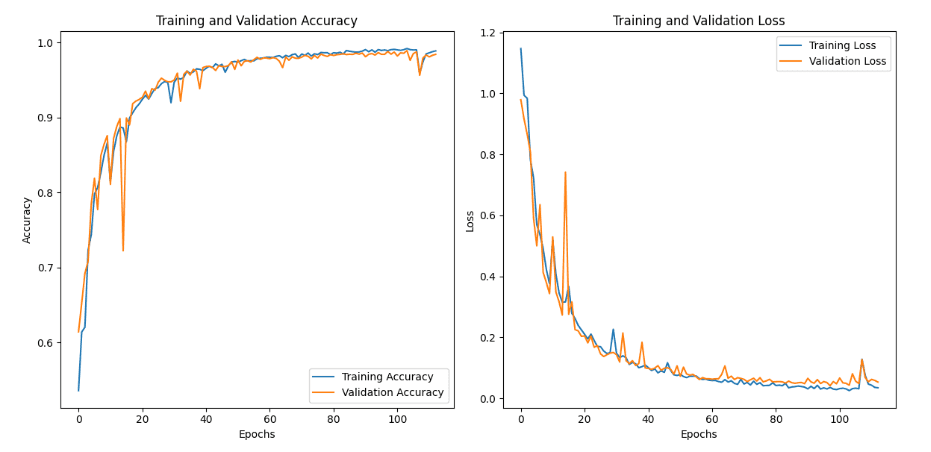
Training and Validation Accuracy
refer graph
Validation Accuracy
Confusion Matrix
Real time monitoring
Training and Validation Accuracy
refer graph
Validation Accuracy
Confusion Matrix
Real time monitoring
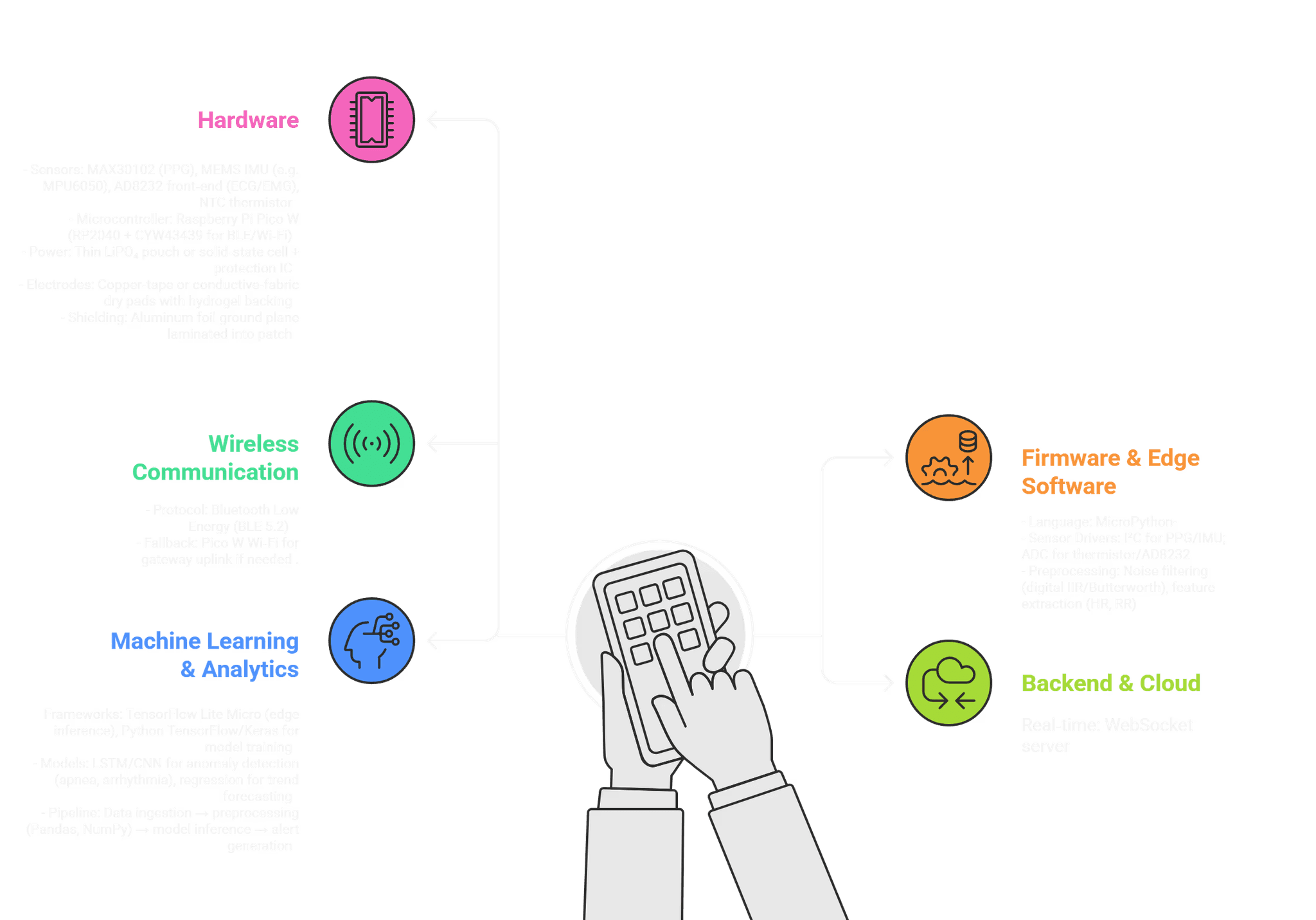
Tech Stack





FIN.
TEAM TechGeeks
30%-58%
overall Admission Rates across several tertiary centers in india
30%-58%
overall Admission Rates across several tertiary centers in india
30%-58%
overall Admission Rates across several tertiary centers in india
58%
of neonates are admitted within 24 hours of birth, underlining the critical window for intervention
58%
of neonates are admitted within 24 hours of birth, underlining the critical window for intervention
58%
of neonates are admitted within 24 hours of birth, underlining the critical window for intervention
56%-59%
male neonates - NICU admissions, reflecting both biological vulnerability & socio‑cultural healthcare-seeking patterns
56%-59%
male neonates - NICU admissions, reflecting both biological vulnerability & socio‑cultural healthcare-seeking patterns
56%-59%
male neonates - NICU admissions, reflecting both biological vulnerability & socio‑cultural healthcare-seeking patterns